
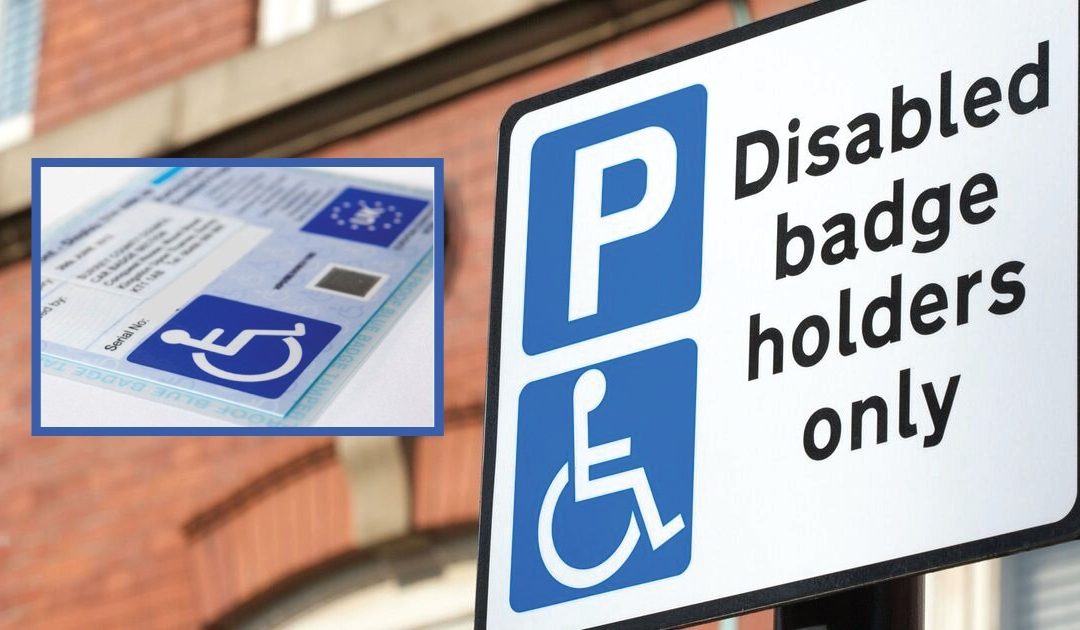
When caring for our elderly loved ones or supporting individuals with disabilities, accessibility and ease of movement play a vital role in maintaining independence and quality of life. However, mobility challenges can make everyday activities such as attending medical appointments, shopping, or social outings stressful and physically demanding.
To support people with mobility difficulties, the UK government has introduced the Blue Badge scheme, which provides parking concessions to help elderly and disabled individuals travel more safely and conveniently.
In this article, we explain what the Blue Badge scheme is, who is eligible, how to apply, and how it can support day-to-day living.
What is the Blue Badge Scheme?
The Blue Badge is a government-issued parking permit that helps people with disabilities or health conditions park closer to their destination.
You can apply for a Blue Badge:
- For yourself
- On behalf of someone else
- For an organisation that transports people who need a Blue Badge
With a valid Blue Badge, holders may:
- Park in designated disabled parking bays
- Park on single or double yellow lines (where permitted and safe)
- Park for free or for longer durations in certain paid parking areas
- Reduce walking distances to essential services
The badge can be used whether the holder is driving or travelling as a passenger, making it especially useful for elderly individuals who rely on family members or carers.
Who Is Eligible for a Blue Badge?
Eligibility is based on mobility difficulties, medical conditions, or receipt of certain benefits.
You may be automatically eligible if you:
- You receive the higher rate of the mobility component of Disability Living Allowance (DLA)
- You receive Personal Independence Payment (PIP) and scored 8 points or more under the “moving around” activity (meaning you cannot walk more than 50 metres)
- You are registered blind or severely sight impaired
- You receive a War Pensioners’ Mobility Supplement
- You received a lump-sum payment (tariff levels 1–8) under the Armed Forces and Reserve Forces Compensation Scheme and are certified as having a permanent and substantial walking disability
- You receive the mobility component of PIP and scored 10 points under descriptor E of the “planning and following journeys” activity due to overwhelming psychological distress
If you scored less than 10 points under descriptor E (including a higher score such as 12), you do not automatically qualify, but you may still be eligible after assessment.
You may also be eligible after an assessment if you:
- You cannot walk at all
- You cannot walk without help from another person or mobility aids
- You find walking very difficult due to pain, breathlessness, or fatigue
- Walking is dangerous to your health or safety
- You have a life-limiting illness and an SR1 form
- You have a severe disability in both arms, drive regularly, and cannot use parking machines
- You have a child under 3 who must be accompanied by bulky medical equipment
- You have a child under 3 who must stay close to a vehicle for emergency medical care
- You are a significant risk to yourself or others near traffic or vehicles
- You struggle severely to plan or follow journeys
- You have non-visible (hidden) disabilities, such as: Dementia, Autism, Severe anxiety
- Cognitive or behavioural conditions that cause distress or loss of control in public spaces
Your local council will review evidence before deciding. Assessments may take 12 weeks or longer.
Benefits of the Blue Badge for the Elderly
As people age, conditions like arthritis, heart disease, respiratory issues, or joint pain can make walking long distances difficult or unsafe.
The Blue Badge helps by:
- Reducing physical strain and fatigue
- Lowering the risk of falls
- Making healthcare visits and errands more manageable
- Supporting independence and dignity
- Improving overall wellbeing and confidence
For many seniors, it allows them to remain active and engaged in their community.
How to Apply for a Blue Badge
Step 1: Apply Through Your Local Council
Applications are made through your local council’s website. Each council manages its own process.
Step 2: Gather Required Documents
You will usually need:
- Proof of identity
- Proof of address
- A recent digital photo
- National Insurance number (if you have one)
- Benefit award letters or medical evidence (if applicable)
Step 3: Provide Evidence (If required)
If you are not automatically eligible, you may need to provide:
- Details of medications and treatments
- Letters from healthcare professionals
- Information about how your condition affects walking or journeys
- Documents can be uploaded online or submitted to your local council.
Step 4: Assessment and Decision
Your council will review all evidence before making a decision.
If approved, your Blue Badge will be sent by post.
Important Things to Know After Approval:
- A Blue Badge is usually valid for up to 3 years
- It must be clearly displayed when parked
- It must only be used when the badge holder is present
- Local parking rules and time limits must be followed
- Misuse may result in fines or cancellation
Final Thoughts
The Blue Badge scheme is more than a parking benefit it is a step towards inclusive living, independence, and safety. For elderly individuals and people with disabilities, it can significantly improve daily life by making travel simpler and less stressful. If You or a loved one may be eligible, consider applying.
A small badge can make a big difference